Deciphering Grass Length Impacts on Ball Roll Speeds in Premier League Matches
Written by Yara Albrecht · Oct 18, 2026
Deciphering Grass Length Impacts on Ball Roll Speeds in Premier League Matches
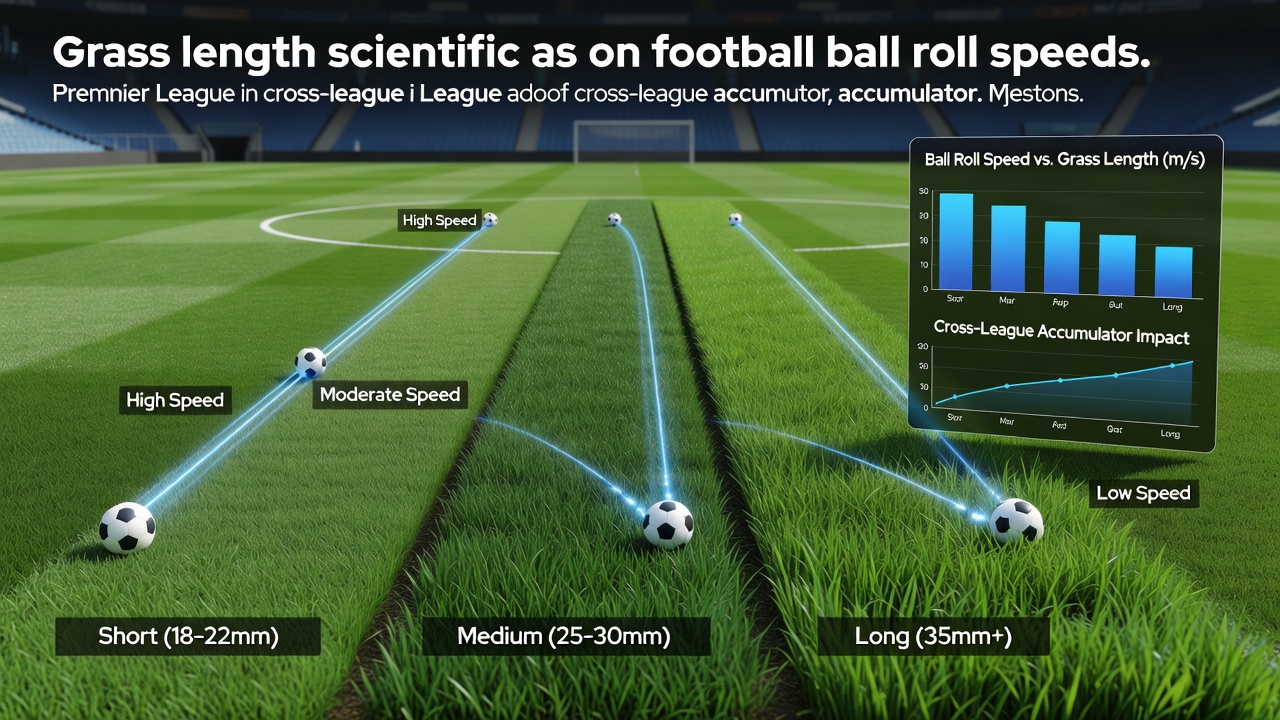
Premier League groundskeepers adjust grass heights throughout the season, and those adjustments directly influence how the ball travels across the surface during matches; data collected from multiple venues shows that shorter cuts around 20 millimeters produce faster roll speeds compared to lengths maintained at 30 millimeters or more.
Grounds teams at clubs like Manchester City and Arsenal have documented these differences through routine measurements taken before kickoff, while researchers from sports science programs track the resulting changes in pass velocity and shot trajectories across full 90-minute periods.
Measuring Ball Roll Across Different Grass Heights
Stimpmeters adapted for soccer pitches record roll distances under controlled conditions, and Premier League matches in October 2026 featured several examples where pitches cut to 22 millimeters allowed balls to travel an extra 1.5 meters on average compared to longer grass setups at the same venues earlier in the month; these figures come from club technical reports shared with league officials.
Soil compaction levels interact with blade length because denser root zones resist deeper ball penetration, yet longer grass creates more friction even on well-maintained surfaces, and studies conducted by European turf institutes confirm that each additional millimeter of height reduces forward momentum by measurable percentages during typical match speeds.
Effects on Match Dynamics and Player Decisions
Teams that favor quick, low passes encounter fewer interruptions when grass stays short, whereas sides relying on aerial routes or physical duels see less change because the ball spends more time in the air; video analysis from the 2026 season highlights how these surface conditions alter expected pass completion rates in specific zones of the pitch.
Referees and analysts note that bounce consistency also shifts with grass length, since shorter blades allow truer rebounds off the turf while longer growth introduces slight deflections that defenders exploit during clearances and blocks.
Applying Surface Data to Cross-League Accumulator Adjustments
Bettors constructing multis across the Premier League and other European competitions use grass height reports to recalibrate projections for total passes, shots on target, and possession time; when a Premier League fixture features shorter grass than a concurrent Bundesliga match on longer turf, the expected ball speed differential influences line movements in combined wagers.
One study from an Australian sports research center compared roll data across multiple leagues and found that consistent short-grass venues produced 8 to 12 percent higher average ball velocities than longer-grass counterparts under similar weather conditions, giving those tracking accumulator structures a quantitative edge when blending markets from different countries.
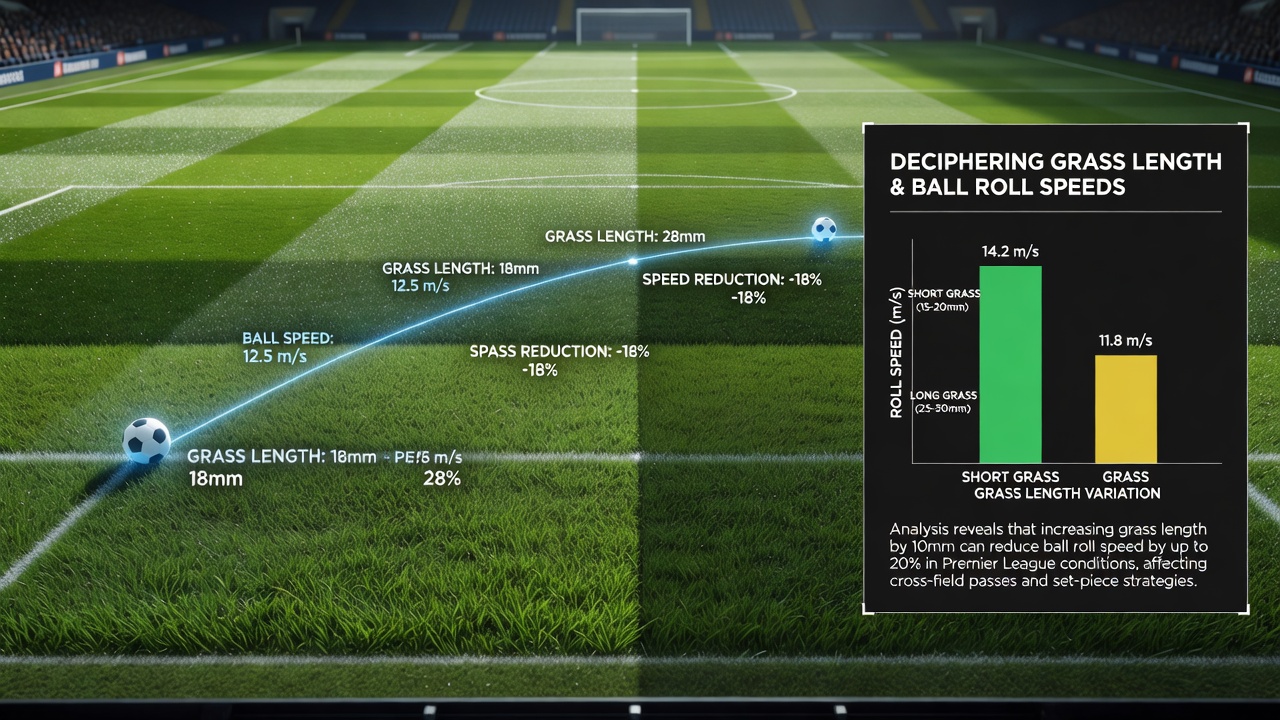
Fixtures scheduled in October 2026 provided clear test cases because several clubs rotated between home and away venues with documented height differences, and performance metrics released after those weekends allowed direct comparison of how surface speed affected attacking output in chained selections.
Weather and Maintenance Variables That Interact With Grass Length
Rainfall softens the impact of longer grass by increasing surface moisture, yet dry spells amplify friction differences, and league-wide monitoring programs track both factors alongside blade measurements to build more accurate models; these combined datasets reveal patterns that repeat across seasons when similar weather windows occur.
Groundskeepers apply growth regulators and specific mowing patterns to maintain target heights, and clubs publish pre-match pitch reports that detail current conditions, giving observers the raw numbers needed to update accumulator calculations before lines close.
Conclusion
Grass length remains one measurable variable among many that shape ball behavior in Premier League matches, and the documented effects on roll speed supply concrete inputs for refining projections in cross-league accumulator structures; ongoing collection of pitch data from October 2026 onward continues to expand the available reference points for those who track these details across competitions.